The Collision Repair Process Step by Step – What Customers Can Expect
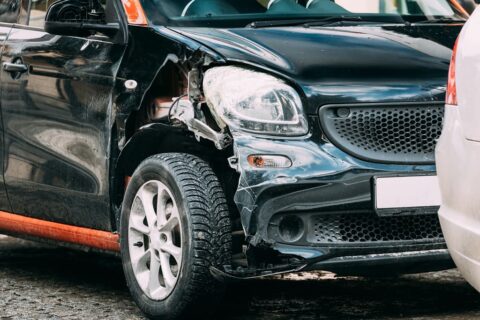
If you’ve recently been in a car accident, you’re probably feeling stressed and overwhelmed. Along with making sure everyone is safe, you now have to deal with the damage to your vehicle.
At Ruby Auto Body, we know how confusing the collision repair process can feel if you’ve never been through it before. That’s why we want to walk you through each step clearly, so you’ll know exactly what to expect from the moment you bring your car in until the day you drive it home looking like new.
Step 1: Initial Assessment and Estimate
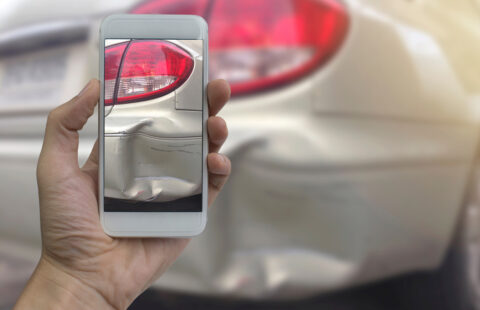
The first step in the repair process is bringing your vehicle to our shop for an inspection. Here’s what happens:
- Visual inspection – A technician carefully looks over the visible damage to your car.
- Digital photos – We often take photos of the damage for our records and for your insurance company.
- Estimate preparation – Using industry-standard software, we create a detailed estimate that lists the repairs needed, the parts required, and the expected costs.
What you should know: An initial estimate is just a starting point. Sometimes additional damage is hidden beneath the surface, and we’ll only find it once we take things apart. Don’t worry – we’ll always update you and your insurance company if the repair plan needs to be adjusted.
Step 2: Insurance Approval (If Applicable)
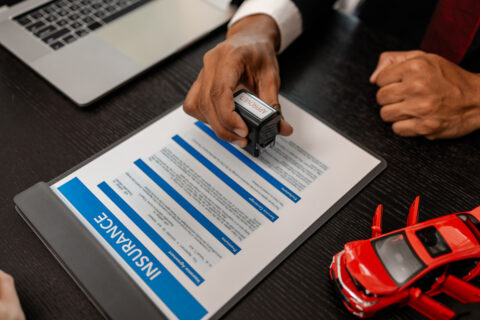
If you’re filing an insurance claim, the next step is getting approval.
- Sharing the estimate – We send our repair estimate to your insurance company.
- Adjuster inspection – Sometimes an insurance adjuster comes to our shop to look at your vehicle. Other times, they approve based on our photos and estimate.
- Repair authorization – Once the insurance company agrees to the repairs, they provide the official approval, which allows us to move forward.
Tip: Always ask your body shop if they work directly with insurance companies. At Ruby Auto Body, we handle communication with insurers so you don’t have to stress over the details.
Step 3: Disassembly and Hidden Damage Check
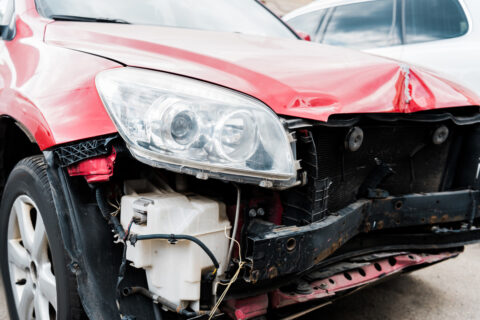
This is when things get interesting. After we receive approval, we begin carefully disassembling the damaged areas of your vehicle.
- Removing panels and parts – We take off bumpers, fenders, or other components around the damaged area.
- Looking for hidden damage – Many times, what looks like a minor dent or scrape actually hides deeper issues, like bent brackets, damaged wiring, or even frame misalignment.
- Supplemental estimate – If we find extra damage, we document it and send an updated estimate to your insurance company for approval.
Why this matters: Catching hidden issues early ensures the repairs are done correctly and safely. Even small misalignments in your vehicle’s structure can affect how it performs in another accident.
Step 4: Ordering Replacement Parts

Once the repair plan is finalized, we order the parts needed to restore your car.
- OEM vs aftermarket – OEM (Original Equipment Manufacturer) parts come directly from your car’s brand, while aftermarket parts come from third-party manufacturers. We’ll discuss which option is best for your repair.
- Delivery time – Some parts arrive quickly, while others, especially specialty or new-model parts, may take a few days.
Tip for customers: Ask your shop if they provide updates on part availability. Delays usually aren’t the shop’s fault, but knowing the timeline helps reduce stress.
Step 5: Structural Repairs (Frame and Alignment)
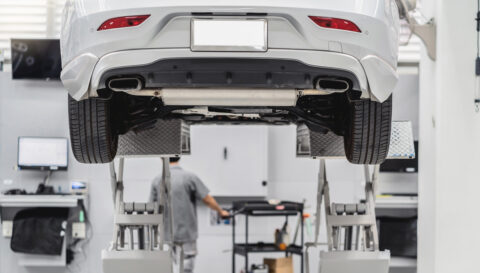
If your vehicle’s structure was damaged, this is one of the most important steps.
- Measuring the frame – We use specialized equipment to measure your car’s frame and check if it’s out of alignment.
- Straightening the frame – If necessary, we use hydraulic machines to gently pull the frame back to factory specifications.
- Confirming safety – Accurate measurements ensure that your vehicle will perform properly in the future, including how airbags deploy in a crash.
Customer reassurance: Even if your car had major structural damage, modern repair equipment makes it possible to restore your frame to manufacturer specifications.
Step 6: Body Repair and Replacement
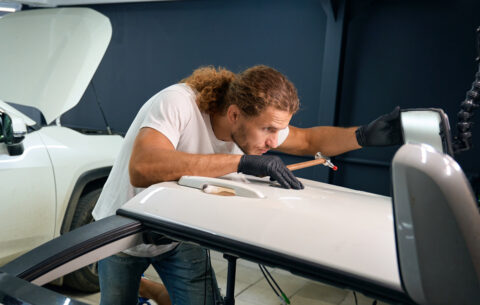
This step involves repairing dents, replacing damaged panels, and prepping the car for paint.
- Dent repair – Small dents may be fixed with paintless dent repair (PDR), which is quick and cost-effective.
- Panel replacement – Severely damaged doors, fenders, or bumpers are replaced with new ones.
- Surface preparation – We sand, smooth, and prepare all surfaces so the new paint will adhere properly.
Why this step matters: High-quality bodywork ensures that once painted, the car looks seamless – as if the accident never happened.
Step 7: Paint and Refinishing

Now comes the part many customers are most excited about: restoring the car’s finish.
- Color matching – We use computerized paint-matching systems to ensure the new paint perfectly matches your car’s existing color.
- Spray and curing – Skilled technicians apply primer, base coat, and clear coat, then cure the paint in a controlled environment.
- Polishing and blending – Finally, the paint is polished and blended so the repair area is invisible.
Reassurance: A proper paint job is about more than looks – it also protects your car’s metal surfaces from rust and corrosion.
Step 8: Reassembly
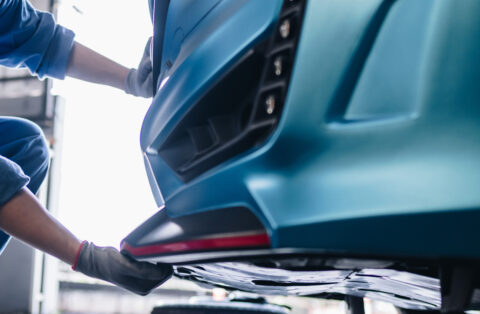
After painting, we carefully reassemble your car.
- Installing parts – Headlights, trim pieces, and panels are reinstalled.
- Aligning panels – We check that doors, hood, and trunk gaps are even and panels align properly.
- Testing components – Electronics, sensors, and safety systems are tested to make sure everything works.
Tip: If your car has ADAS (advanced driver assistance systems) like lane assist or collision warning, these may need recalibration during reassembly. Always confirm that your shop can handle this.
Step 9: Detailing and Final Inspection
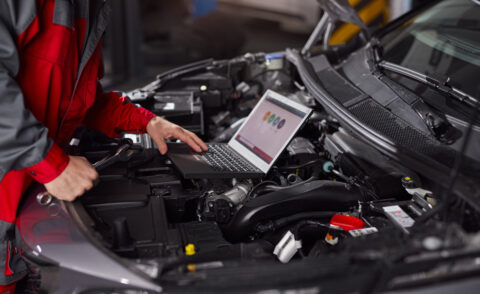
Before returning your vehicle, we perform a thorough quality check.
- Cleaning inside and out – We detail your car so it looks as good as new.
- Final safety checks – We test drive the vehicle, check lights, sensors, and confirm everything is working.
- Inspection by management – A final inspection ensures the repair meets our standards.
Customer confidence: This step ensures you’re not just getting your car back looking nice – it’s safe, functional, and reliable.
Step 10: Getting your car back

The best part: handing your keys back to you!
- Walk-around explanation – We walk you around the car and explain the repairs.
- Paperwork – We provide documentation for the repairs and any warranties.
- Guarantee – At Ruby Auto Body, we stand behind our work with a lifetime warranty on repairs as long as you own the car.
What this means for you: You can drive away with peace of mind, knowing your car has been restored to pre-accident condition.
Extra: What to Expect After Repairs
- Paint Curing – New paint takes a few weeks to fully cure. We’ll advise you on care (avoid waxing for 30 days, hand wash gently).
- Follow-Up – If you notice anything unusual (a warning light, a noise, etc.), you can always come back—we stand by our work.
FAQs Customers Often Ask
It depends on the severity of the damage, parts availability, and insurance approvals. Minor repairs might take 2–5 days, while major repairs can take 2–4 weeks.
Yes, if your insurance policy covers rental reimbursement, we’ll help coordinate a rental for you.
When done correctly, collision repair restores your car’s safety, appearance, and performance to manufacturer standards.
No. By law, you can choose any licensed shop you trust.
Why Knowing the Process Matters
Accidents are stressful, but understanding what happens during the repair process can take away much of the uncertainty. When you know what to expect, you can plan better, feel confident in the quality of the work, and trust that your vehicle will be as safe and beautiful as before.
At Ruby Auto Body, we treat every vehicle—whether it’s a Porsche or Toyota Corolla, a Chevy Blazer, a BMW, or anything else—with the same care and attention. Our promise is simple: restore your car to pre-accident condition, both in looks and in safety.
Final Thoughts
At Ruby Auto Body, our goal is to make the collision repair smooth and stress-free for you. From handling the insurance paperwork to restoring your car with expert craftsmanship, we want you to feel confident every step of the way. If you’ve been in an accident and need help, bring your vehicle to us – we’ll guide you through the process and return your car looking like new.