
Hurricane Season Prep: How to Protect Your Vehicle from Storm Damage
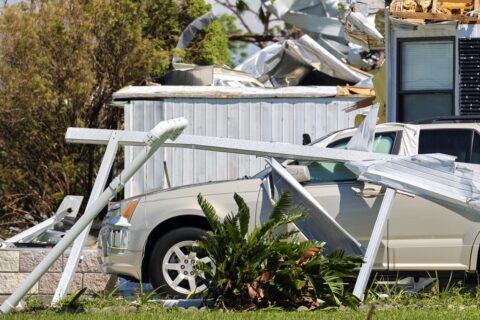
Living in Florida means enjoying sunshine, beaches, and warm weather year-round. But it also means preparing for hurricane season every summer and fall. From June through November, tropical storms and hurricanes can develop quickly and strike with devastating force. At Ruby Auto Body, we’ve seen firsthand the damage hurricanes cause to vehicles — from flooded interiors to crushed roofs. That’s why we want to give you clear, practical advice on how to protect your car during hurricane season.
This article combines our professional experience with real facts about hurricanes in Florida, vehicle losses during past storms, and proven strategies you can use to keep your car safe.
Why Hurricane Season Puts Your Vehicle at Risk
Florida is hit by more hurricanes than any other U.S. state. Since the 1850s, every mile of Florida’s coastline has been impacted by at least one hurricane. The peak season is late August through October, when storms are most likely to form in the Atlantic or Gulf.
When a hurricane makes landfall, vehicles are exposed to three main threats:
- Flooding and Storm Surge: Just one foot of moving water can lift and carry away a car. In storms like Hurricane Ian (2022), storm surge reached over 12 feet in some areas — enough to submerge entire neighborhoods and the vehicles in them. Floodwaters quickly ruin engines, transmissions, and electrical systems.
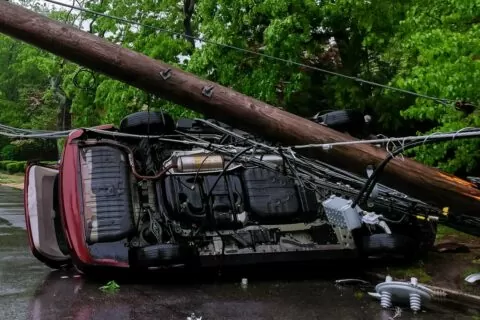
- Extreme Winds and Flying Debris: Hurricane-force winds (74 mph and above) can send tree branches, street signs, and roofing materials crashing into cars. Even parked in a driveway, your vehicle can be dented, scratched, or totaled by falling objects.
- Saltwater Exposure: For Floridians near the coast, saltwater storm surge is especially destructive. Saltwater corrodes metal, eats away at wiring, and can cause long-term mechanical and electrical failure.
In short, hurricanes can destroy cars in multiple ways, and recovery is difficult if your car is left unprotected.
Real Vehicle Losses from Florida Hurricanes
The numbers are staggering:
- Hurricane Wilma (2005): Storm surge across the Florida Keys damaged an estimated 20,000 vehicles.
- Hurricane Irma (2017): Analysts estimate 130,000–200,000 cars in Florida were lost to flooding and wind damage (over 400,000 total, including neighboring states).
- Hurricane Ian (2022): CARFAX reported up to 358,000 cars damaged by flooding across Florida and the Southeast. Salvage yards were inundated, with more than 60,000 cars brought in just weeks after the storm.
- Hurricanes Helene & Milton (2024): Collectively damaged around 347,000 vehicles, with Milton alone accounting for about 120,000 cars in Florida.
These aren’t just numbers. After every major storm, we see customers who’ve lost not just a vehicle, but their ability to get to work, pick up kids, or evacuate safely for the next storm. Protecting your car isn’t just about saving money — it’s about keeping your life moving when everything else feels uncertain.
The Special Risk to Electric Vehicles
Electric vehicles (EVs) add another layer of risk. During Hurricane Ian, between 3,000 and 5,000 EVs were water-damaged in Florida. Around 600 of those were irreparable, and at least 36 caught fire after saltwater exposure caused their lithium-ion batteries to short-circuit. These fires can ignite hours or days after a storm, creating dangerous situations for families and first responders.
If you own an EV or hybrid, you must take extra precautions — keep it far from potential flood zones and never attempt to power it on after it’s been submerged.
How to Protect Your Car Before a Hurricane
The good news: there are steps you can take to reduce your risk. Here’s how we recommend preparing your vehicle when a storm is on the way:
1. Park in a Safe Location
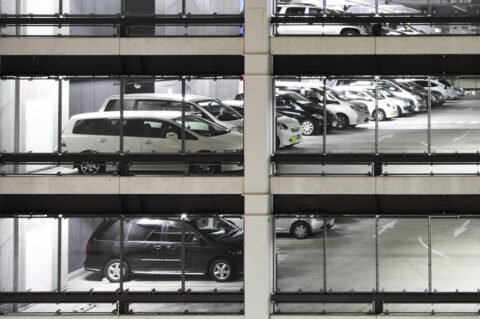
- The best option is a secure indoor garage on high ground.
- Next best: A public parking garage or multi-level structure. Many Florida cities open municipal garages for free during hurricanes. For example, Hollywood has waived fees so residents can shelter their cars safely.
- If no garage is available: Park on the highest ground you can find, well away from trees, power lines, or flimsy structures.
Pro tip: If you must park outside, position your car next to a strong building on the side opposite the wind — this can act as a windbreak.
2. Shield Against Wind and Debris
- Cover your car with a heavy-duty tarp or fitted car cover, tied down securely.
- Remove roof racks, bike carriers, antennas, and any items that wind could grab.
- Clear your yard and driveway of loose objects (patio furniture, potted plants, grills) that could become missiles in high winds.
- Some people tape an “X” on car windows. While this doesn’t stop breakage, it can keep shattered glass from scattering everywhere.
3. Prepare for Flooding
- If your car is in a garage, consider placing sandbags at the base of the garage door to block shallow water.
- In extreme cases, some owners raise their vehicles on jack stands or blocks for a few extra inches of clearance.
- Never park in a known flood zone or low-lying street.
- EV owners: always evacuate the car to higher ground. Do not leave an EV in a basement garage or coastal zone.
4. Keep Your Vehicle Hurricane-Ready
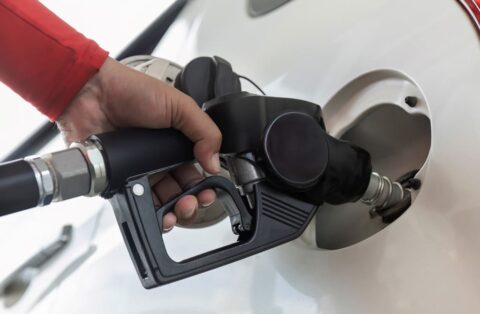
A few simple checks can make all the difference when a hurricane hits — preparation keeps you and your car ready to move when it matters most.
- Fuel up early. Keep your tank full; gas shortages and power outages are common before and after storms.
- Charge EVs fully before landfall, but only if it’s safe to do so.
- Perform a quick maintenance check: tires, brakes, wipers, and fluids should all be in working order.
- Pack an emergency kit in the trunk: water, snacks, flashlight, first aid kit, jumper cables, tire repair kit, phone charger, and basic tools.
When a hurricane threatens, every minute matters. A fueled-up, well-checked car isn’t just convenient — it could be your safest way out.
5. Secure Documents and Records
- Gather your registration, title, and insurance documents. Keep them in a waterproof folder or store digital copies in the cloud.
- Take clear photos of your car — all sides, the roof, and the interior. These serve as proof of condition if you need to file an insurance claim.
- Keep an extra key with you, not just in the vehicle.
6. Review Your Insurance Coverage
- Make sure you have comprehensive coverage, which is the only policy that covers flood, wind, and falling objects.
- Collision or liability-only policies won’t pay for hurricane damage.
- Save your insurance company’s claims number in your phone so you can reach them quickly after the storm.
After the Hurricane: What to Do Next
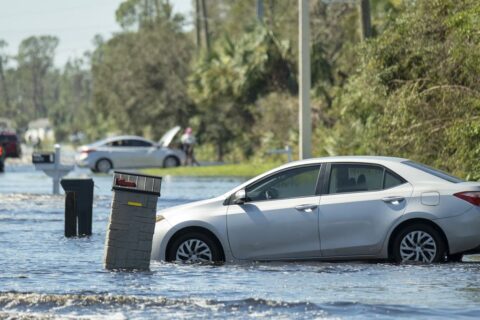
Once the storm passes, be careful with both your car and the roads.
- Inspect before starting. If your car was flooded, don’t attempt to start it. Water in the engine or electrical systems can cause catastrophic damage or even fire. Have the vehicle towed for inspection instead.
- Document everything. Take “after” photos of damage to pair with your “before” shots for insurance claims.
- Watch for hazards. Roads may be flooded, blocked by debris, or undermined. Never drive through standing water — it may be deeper than it looks and can ruin your car instantly.
- Drive only if necessary. Treat downed traffic lights as four-way stops. Watch for sharp debris that can puncture tires.
- For EV owners: If the car was submerged, move it far away from buildings or other vehicles. Do not attempt to charge or restart it until a professional has inspected it.
Key Takeaways
- Florida hurricanes have destroyed hundreds of thousands of vehicles in recent decades. Your car could be next if it’s not prepared.
- Flooding, wind, and saltwater are the main threats. EVs face additional fire hazards from submerged batteries.
- The best protection is safe parking in a garage or on high ground, paired with common-sense precautions like fueling up, securing documents, and covering your vehicle.
- Comprehensive insurance is essential for hurricane coverage — don’t wait until storm season to check your policy.
- After a hurricane, safety comes first. Don’t risk your life or your car by driving through floodwaters or starting a flooded vehicle.
Final Reflections
At Ruby Auto Body, we’ve repaired countless hurricane-damaged cars — and we’ve seen the heartbreak when a vehicle is beyond saving. Preparing your car for hurricane season may take some effort, but it can save you thousands of dollars and weeks of stress. More importantly, it can keep your vehicle ready when you need it most.
Every June, make a plan for your car just like you make a plan for your home and family. Know where you’ll move it, what supplies you’ll keep on hand, and how you’ll document and ensure it. When the next storm threatens, you’ll have peace of mind knowing you’ve done everything possible to safeguard your vehicle.