
Seasonal Tips: Protecting Your Car’s Paint from Florida Sun & Heat

Florida is known for its sunny skies, warm weather, and beautiful beaches—but if you own a car here, you already know that constant sun and heat can take a toll on your vehicle’s appearance. As professional auto body and paint specialists, we see every day how the Florida climate affects car paint. The combination of UV rays, high humidity, salty coastal air, and extreme heat can cause fading, oxidation, and even peeling clear coats.
The good news? With the right care and a few smart habits, you can protect your car’s paint and keep it looking glossy and new for years to come. In this guide, we’ll walk you step by step through why the Florida environment is tough on vehicles and what you, as a car owner, can do to prevent damage.
Why Florida Sun and Heat Damage Car Paint
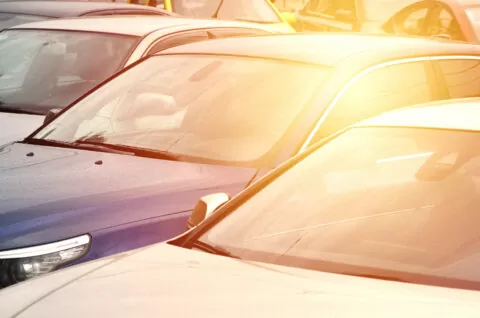
Florida’s climate is harsher on vehicles compared to many other states. Here’s why:
- Intense UV Radiation: Florida gets strong sunlight almost year-round. Prolonged exposure to UV rays breaks down the paint’s pigments, leading to dull, faded colors.
- High Temperatures: Surface temperatures on your car can soar above 150°F in summer. This extreme heat speeds up chemical reactions that degrade the paint and clear coat.
- Humidity and Rain: Moisture mixes with heat to accelerate oxidation. Rainwater can also leave mineral deposits that etch into the surface.
- Salt Air (Near the Coast): Salt particles from the ocean cling to your car and can corrode both the paint and metal underneath.
In short, the Florida climate is like a slow oven for your car’s paint—baking it, drying it, and exposing it to corrosive elements daily.
Step 1: Wash Your Car Regularly
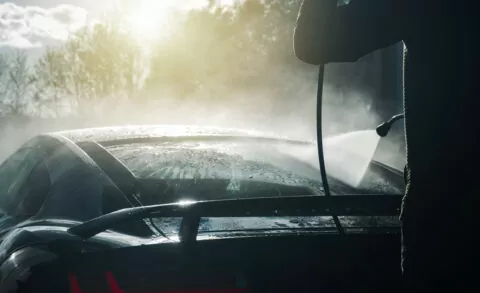
The simplest and most effective way to protect your paint is consistent washing.
- Frequency: At least once a week, more often if you live close to the beach or park outdoors.
- Method: Use a gentle, pH-balanced car soap—not dish detergent, which strips wax and damages the finish.
- When: Wash in the shade or early morning/evening to avoid water spots from sun-baked droplets.
- Tools: Use a microfiber wash mitt and soft drying towels to avoid scratching the surface.
Why it matters: Washing removes dirt, pollen, bird droppings, and salt that can eat into paint if left untreated.
Step 2: Apply Wax or Paint Sealant for UV Protection
Think of wax as sunscreen for your car.
- Carnauba Wax: Offers a warm, glossy look but typically lasts 4–6 weeks under Florida sun.
- Synthetic Sealants: Last longer (up to 6 months) and provide stronger UV protection.
- Application Tip: Apply wax or sealant in a shaded area to prevent streaks and maximize durability.
Pro Tip: For Florida, many owners choose synthetic sealants for the durability, and then apply carnauba wax on top for the shine.
Step 3: Consider Ceramic Coating for Long-Term Protection
For luxury cars or anyone serious about long-term paint health, ceramic coatings are a game-changer.
- What it is: A liquid polymer applied by professionals that bonds with your car’s paint.
- Why it matters: A professional ceramic coating bonds with the clear coat, creating a glass-like shield that resists UV, dirt, and chemicals for years instead of weeks.
- Maintenance: Even with ceramic, you still need to wash regularly, but cleaning is easier.
Benefits:
- Long-term UV protection (2–5 years depending on product).
- Easier cleaning—bugs and bird droppings wipe off with less effort.
- Enhanced gloss, making your car look freshly detailed year-round.
Customer-friendly analogy: Think of ceramic coating as a “shield” that fuses to your car, unlike wax, which just sits on top.
Step 4: Park Smart

Where you park makes a huge difference.
- Garage Parking: Best option. Shields from UV, rain, and heat.
- Covered Parking Lots: A good alternative if you don’t have a garage.
- Shaded Street Parking: Better than nothing, but be cautious of trees (falling sap and bird droppings can also damage paint).
Tip: If you must park outside, rotate your parking orientation occasionally. Keeping the same side of the car facing the sun every day can cause uneven fading.
Step 5: Use Car Covers When Needed
If indoor parking isn’t an option, a breathable, UV-resistant car cover is worth investing in.
- Choose Quality: Look for covers specifically designed for Florida’s climate (UV protection + ventilation).
- Avoid Plastic Tarps: These trap heat and moisture, which can damage paint instead of protecting it.
Important: Always clean your car before covering it. Dirt trapped under the cover can scratch the paint.
Step 6: Use Paint Protection Film (PPF)
Why it matters: For luxury or new vehicles, paint protection film (a clear polyurethane layer) shields high-impact areas from chips, scratches, and sun exposure.
Best Spots for PPF in Florida:
- Front bumper and hood (bug splatter and sun exposure).
- Side mirrors and door edges.
- Roof and trunk lid if often parked outside.
Step 7: Quick Action Against Contaminants
Bird droppings, tree sap, and bug splatter are acidic and can quickly damage paint, especially under hot sun.
- Immediate Cleanup: Keep a small spray bottle of water and microfiber cloth in your car.
- Bug & Tar Removers: For stubborn spots, use products designed to dissolve contaminants safely.
Tip: Never scrub with rough sponges—this causes scratches. Gentle removal is key.
Step 8: Professional Detailing
Professional detailing every 4–6 months keeps your car in top condition.
- Paint Correction: Removes swirl marks and minor scratches.
- Machine Polishing: Restores shine and prepares the surface for protection layers.
- Sealant or Ceramic Refresh: Ensures continued UV protection.
Why it’s worth it: Professional detailers have tools and products not available to the average car owner, making their work longer-lasting.
Step 9: Avoid Harsh Cleaning Products
Not all cleaners are safe for automotive finishes.
- Skip household cleaners: Products like glass cleaner with ammonia, dish soap, or abrasive powders will harm paint.
- Use automotive-grade products: Always choose items designed specifically for cars.
Rule of thumb: If it’s not made for cars, don’t use it on your paint.
Step 10: Seasonal Maintenance Schedule

Spring (Love Bug Season):
- Wash weekly during heavy bug months (April–May, Sept–Oct).
- Apply bug-repellent spray on bumper/hood before long drives.
Summer (High Heat & UV):
- Refresh wax or ceramic topper monthly.
- Check for sun fade on interior plastics as well.
Fall (Hurricane Season):
- After storms, rinse car to remove salt spray from coastal winds.
- Inspect paint for scratches from debris.
Learn more about preparing for hurricane season.
Winter (Dryer Season, Lower Humidity):
- Still sunny—don’t skip UV protection.
- Focus on thorough waxing before holiday road trips.
Customer example: We often see cars that looked fine last year but now need full repainting because early damage wasn’t treated.
FAQs About Protecting Car Paint in Florida
Yes. Wax provides a sacrificial layer that absorbs UV damage and takes the beating instead of your paint.
Absolutely. New paint is not invincible—it needs protection from day one, especially in Florida.
Wax is affordable and good short-term protection. Ceramic is a bigger investment but offers years of strong defense.
Not if you use the right products. Gentle, regular washing actually extends the life of your paint.
Common Myths About Sun Damage
- “White cars don’t fade.” False. White paint chalks and yellows under UV exposure.
- “Clear coat is enough protection.” False. Clear coat helps, but without wax or coating, it breaks down quickly in Florida.
- “Parking under trees is always safe.” False. Tree sap, falling branches, and birds can be just as harmful.
Final Thoughts
Florida’s sunshine is beautiful for beach days, but it can be brutal on your vehicle’s paint. Protecting your car doesn’t require complicated steps—just consistent care and smart choices. From regular washing and waxing to professional ceramic coatings, every layer of protection helps. Think of it as insurance for your car’s appearance.
At Ruby Auto Body, we specialize in keeping vehicles looking their best in Florida’s tough climate. Whether you drive a luxury car or a daily commuter, following these seasonal tips will ensure your car’s paint stays glossy, vibrant, and protected for years to come.